Create a Native Plant Garden

Category

Land & Water

Impact

Cost

?

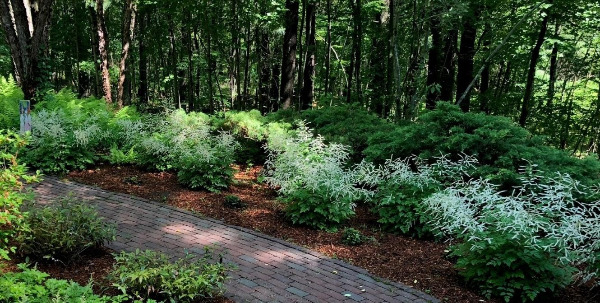
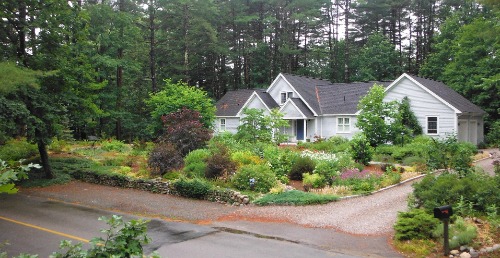
Native plants are those that occur naturally in a region in which they evolved. Native plants provide many eco-friendly benefits. They attract birds, butterflies and local wildlife. They support pollinators and create a foundation for the entire local food chain. They are acclimated to local rainfall amounts and climate. They are naturally resistant to local pests and disease. They do not require fertilizers, pesticides or supplemental watering.  

American homeowners apply 80 million pounds of pesticides to 40 million acres of lawns in the United States each year. Native plants thrive without pesticides. 

It is estimated that 800 million gallons of gas are burned in lawn mowers annually by Americans. This produces significant amounts of carbon dioxide and other greenhouse gases that drive climate change. 

Twelve hundred U.S. crops depend on pollinators to grow. Native plants are essential to pollinators like birds, bees, butterflies, and bats. Pollinator gardens supply food in the form of pollen and nectar to ensure that these animals stay in the area to keep pollinating our crops for continued fruit and vegetable production. 

Steps to Take

  1. Select a section or your lawn or a site in your yard that is practical to convert into a native plant garden.  Consider sun exposure, soil composition, drainage and water access of the area.   
  2. Select perennial native plants for your area. Plan for a variety of shapes, sizes and kinds of plants. Design for color palettes and seasonal blooms. 
    1. Red tubular flowers such as columbine, jewelweed, and bee balm provide nectar for hummingbirds. 
    2. Native sunflowers, asters and coneflowers produce seeds for songbirds.
    3. Bushes and trees with berries help to sustain birds. 
  3. Dig up the area, remove invasive plants and add organic compost to the soil. Plant in the spring or fall. Carefully mulch around the plants and water only as needed as plants adapt to their new habitat. 
  4. Add habitat features such as hollowed out boulders that catch rainwater for birds to drink and bathe in.
  5. Care for your native plant garden by pulling up noxious and invasive weeds. Do not use insecticides in or near a pollinator garden or it will erase its benefits. Leave dead leaves and branches. Do not cut back stems in the fall. Wait until two plus weeks after the last spring frost to rake and cut back stems.  

Deep Dive

Native plants provide beauty, are healthy for people, help the climate, conserve water, and provide a habitat for birds and many species of wildlife. 

New Englanders have several resources at their fingertips for learning about and acquiring native plants. The Native Plant Trust maintains sanctuaries such as Garden in the Woods in Framingham. In a 2020 USA Today popular poll, respondents chose Garden in the Woods as one of the 10 best botanic gardens in the entire continent. Not only is Garden in the Woods a beautiful place to visit, it is also a great source for purchasing native plants. Consulting the Native Plant Trust’s Plant Finder can help you to identify the best native Northeast plants that meet your conditions and goals.  

Uli Lorimer, Director of Horticulture at Native Plant Trust, published a book in 2022 called The Northeast Native Plant PrimerThis incomparable sourcebook includes 235 recommended native trees, shrubs, vines, ferns, wildflowers, grasses, sedges, and annuals. Uri also recorded a video in March 2022 to address confusion about native plants and how to decide what is best for your garden. 

Grow Native Massachusetts is another excellent resource. Its Flora and Fauna database can be used to research native plants, invasive plants, and various types of fauna from butterflies to birds.  This website also has links to free videos of presentations by experts on native plants.

The Audubon Society also provides resources for selecting native plants to attract various birds. You can use their Native Plant Database to select plants by zip code. Click here for the list of plants for Medfield. You can filter this list by type of plant and type of bird you want to attract.

An excellent book is Native Plants for New England Gardens by Mark Richardson and Dan Jaffee. This handy guide to 100 great native flowers, ground covers, shrubs, ferns, and grasses that will thrive in New England gardens features practical information accompanied by beautiful color photography. 

The USDA also provides a plant database providing growing area details and photos of plants. Medfield is in hardiness zones 6a and 6b.

When visiting local nurseries such as Weston Nurseries, Mahoney’s, Briggs, Cochato, Volante Farms, Southridge, and Lovell’s, be sure to inquire about their native plant selection.  

The Medfield Garden Club is also a resource for learning more about native plants. They frequently offer community-wide as well as member-only lectures on native plants. Their annual spring plant sale provides an opportunity to purchase native plants grown by its members. The Garden Club Federation of Massachusetts is another good native plant gardening resource.

Testimonials

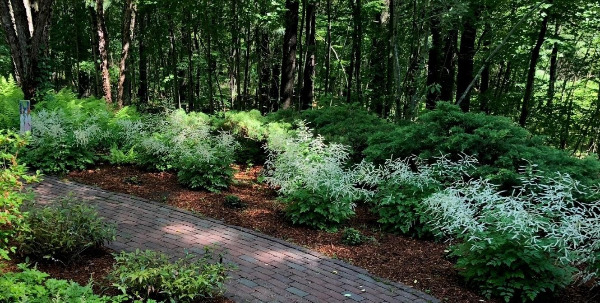
Three years ago we replaced a section of our lawn with several aruncus also known as goat’s beard astilbe plants. All of the plants are…
The Beauty of Native Plants
Submitted by: Kimberly Schubert
Six years ago, we built our 'dream retirement house' here in Medfield. One of our principal requirements was for a low-maintenance lawn and garden. What…
A Four-season, Native Garden
Submitted by: Neal and Betty Sanders
For the first time we tried not mowing sections of our back lawn and just letting the grass grow. This meant much less use of…
Lawn care
Submitted by: Jeanette Ruyle

Add a Testimonial

0%

Subscribe

* indicates required
Email Preferences
Topic Areas of Interest