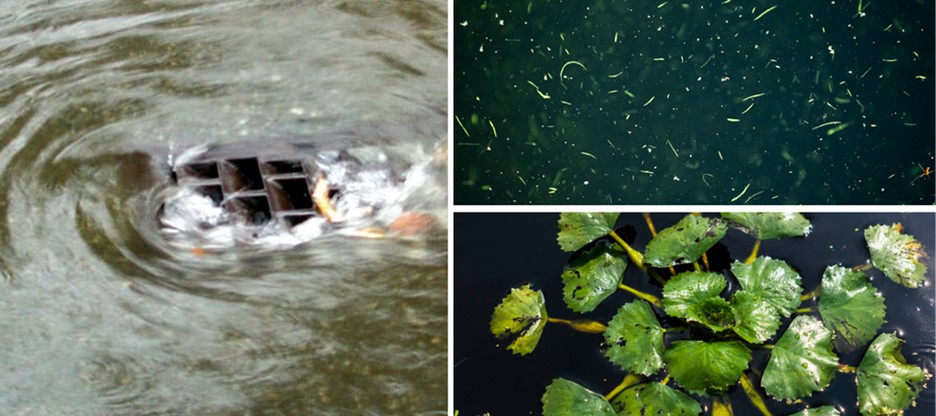
Eliminate or Reduce Fertilizer and Pesticide Use
If fertilizer is necessary, use only phosphorus-free natural fertilizers and apply only in the spring and fall. What we put on our lawns gets into our environment and lawn chemicals are a major source of pollution. Healthy, well-designed landscapes should require little to no fertilizers or pesticides.
Swales and Berms
Planting water-loving species at the bottom of a swale (linear shallow depressions) or using a berm (earthen mounds) to direct, capture and infiltrate water that would otherwise flow off your property.
Rain Gardens
Rain gardens are planting beds constructed in shallow depressions that capture and infiltrate rainwater. Rain gardens can be a very interesting design element in the landscape and are great at helping with stormwater management. Plants in a rain garden should be adaptable and must be capable of dealing with inundation with water and prolonged drought.
Wash Cars at Car Wash
Wash your car at a professional car wash so that the oils, greases and soaps do not wash directly into storm drains and local waterways.
Don’t Dump in Streets and Catch Basins
When it rains or snow melts, water flows across the land surface, picks up anything in its path (trash, oil, fertilizer, animal waste) and brings it right to our local waterbodies without any treatment. Please help keep our communities clean- don’t put anything into streets and catch basins!
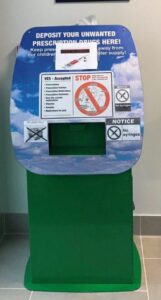
Drop Off Unused Medicine At Collection Sites
If you have unused medicine, don’t throw it into your trash. Several CVS locations have a bin by their pharmacy to safely dispose of unused medicine.